
Comfort — Why Do Some Beautiful Outdoor Spaces Remain Empty?
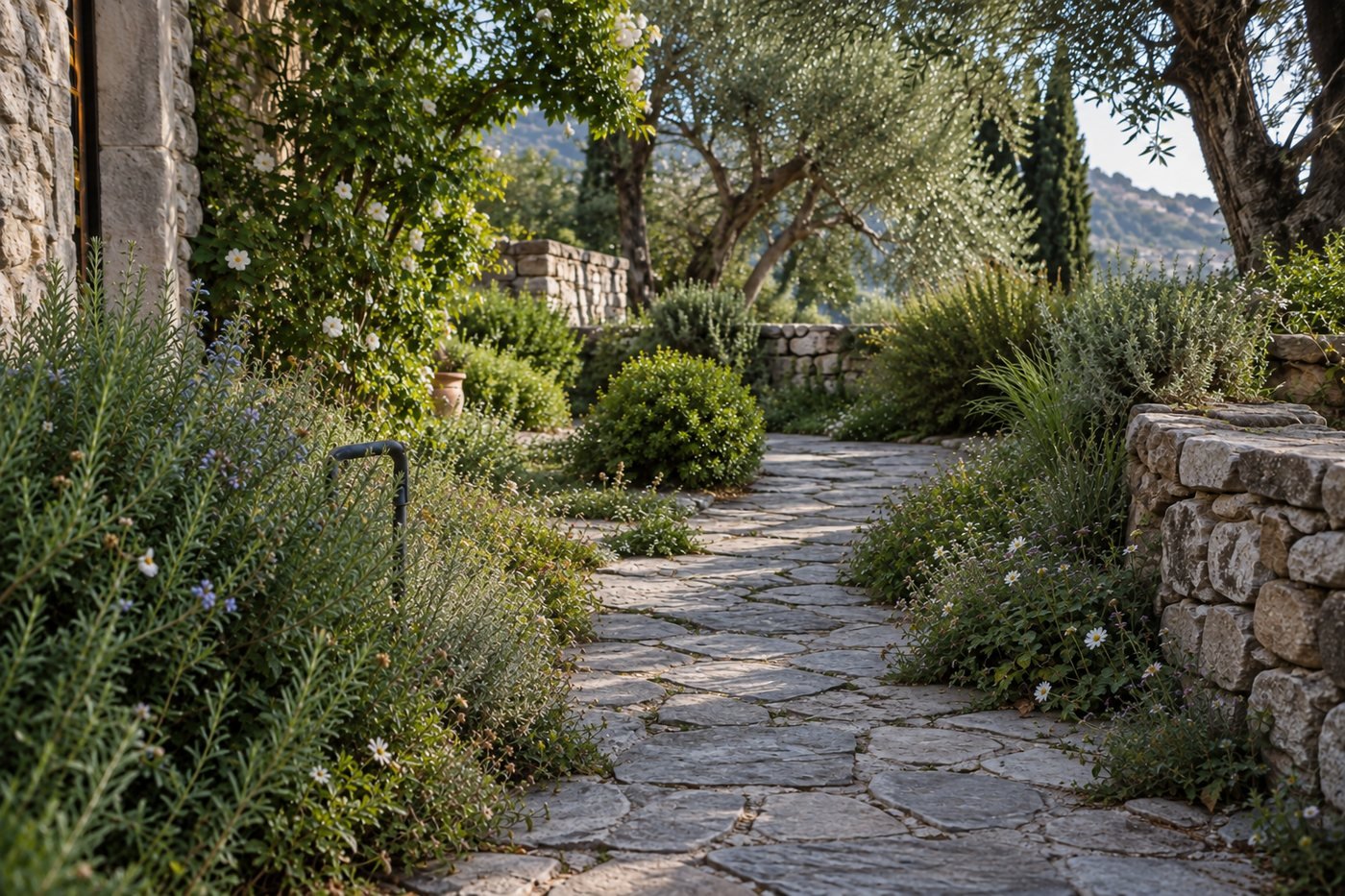
A good outdoor space should not only look beautiful. It should make people want to stay.
Many outdoor spaces seem to have everything:
furniture, planting, views and even a very photogenic atmosphere.
Yet when people actually use them, they do not stay for long.
Too much afternoon sun.
Too much wind.
No privacy.
A seat that feels completely exposed.
Or perhaps there is a large garden, but no obvious place where sitting down feels right.
This is why, in my approach to design, outdoor comfort is not something added at the end to create atmosphere.
It is one of the fundamental conditions that determines whether a space will actually be used.
A good outdoor space should not only be seen.
It should encourage people to:
sit, stay, talk, eat, relax, spend time and come back.
01|The real question is not whether there is outdoor space, but whether people want to use it
For a hotel, agritourism property, restaurant or private garden, simply having outdoor space does not automatically create value.
A terrace may have a beautiful view, but if it is completely exposed to the afternoon sun, people may still avoid using it.
A restaurant may have many outdoor tables, but strong wind or a lack of privacy can make guests feel uncomfortable.
A large garden may offer plenty of space, yet if every area feels exposed, people may end up using only the few square metres closest to the house.
So the first design question is not:
It is:
02|Comfort begins with the body: sun, shade, wind and temperature
A beautiful terrace that becomes unbearably hot in the afternoon loses much of its practical value.
By contrast, a well-positioned tree, filtered shade from vegetation or seating protected from strong wind can significantly extend the amount of time the space can be comfortably used.
This is especially important in hospitality landscape design.
Comfort does not only affect whether a place feels pleasant.
It also determines:
how many hours a day the outdoor space can actually function.
For a hotel or restaurant, the same outdoor area might support breakfast, lunch, afternoon drinks, aperitivo and dinner — or remain usable for only a short period each day.
Shade, wind and microclimate are therefore not secondary technical details.
They directly affect how efficiently the space can be used.
03|Privacy affects whether people feel able to relax
Privacy does not mean completely enclosing a space.
But when a seat directly faces a car park, a neighbour’s window or a busy circulation route, people naturally feel more exposed.
Good privacy design creates a different feeling:
In a restaurant, this can improve comfort between neighbouring tables.
In a hotel, it can turn a simple lounge corner into a more intimate space.
In an agritourism setting, it allows guests to enjoy an open landscape while still having a place of their own.
In a private garden, it can make the difference between looking at the garden and actually living in it.
04|Comfortable spaces often combine prospect and shelter
Many places where people naturally feel comfortable share similar qualities:
This balance between shelter and openness has a strong influence on psychological comfort.
The best place to sit is therefore not always the centre of the garden or the point with the widest view.
Sometimes a slightly recessed space, protected by planting and opening towards the landscape, is much more inviting.
Outdoor comfort is not only about available square metres.
It comes from spatial relationships.
05|Good design also decides where the eye should rest
The experience of a garden does not necessarily begin when we step outside.
Often, it starts indoors.
From a restaurant window, do guests look towards a car park or towards planting and landscape?
From a hotel room, is the view directed towards a service area or towards a seasonal garden composition?
From a kitchen at home, is there somewhere in the garden that naturally draws the eye?
Comfort therefore also involves visual order:
guiding important views towards something worth seeing.
This improves the quality of the space and can also make a place more memorable and distinctive.
06|Different people need different forms of comfort
Not everyone wants the same outdoor experience.
Some people enjoy social spaces.
Others want somewhere quiet to read.
Families need to be able to see children while they play.
Couples may value privacy.
Older guests may care more about shade, walking distances and comfortable seating.
Restaurant guests need stability, convenience and a degree of separation.
Visitors to a nursery benefit from a clear rhythm of movement, places to pause and settings where they can understand planting combinations.
Good outdoor design therefore does not create the same atmosphere everywhere.
It creates different layers of experience:
open and sheltered spaces,social and intimate areas,places to move through and places that invite people to stop.
07|Plants do more than make a space green
Plants certainly make spaces more attractive.
But their value extends far beyond appearance.
Vegetation can:
This is why planting design should not be treated as decoration added at the end.
Vegetation participates in the construction of the space itself.
08|Comfort ultimately determines whether a space creates real value
For commercial spaces, a good outdoor environment is not only about brand image.
It should help the space work better.
Guests may stay longer.
Eat or drink outside.
Talk.
Take photographs.
Remember the place.
And perhaps return because of the experience.
For a private garden, the value is even more direct:
not simply owning a garden that looks good,
but having an outdoor space that genuinely becomes part of everyday life.
So when I talk about Comfort, I do not mean a vague sense of atmosphere.
I mean:
thermal comfort · visual comfort · acoustic comfort · privacy · spatial experience
All to answer one simple question: