
Living Landscape Method
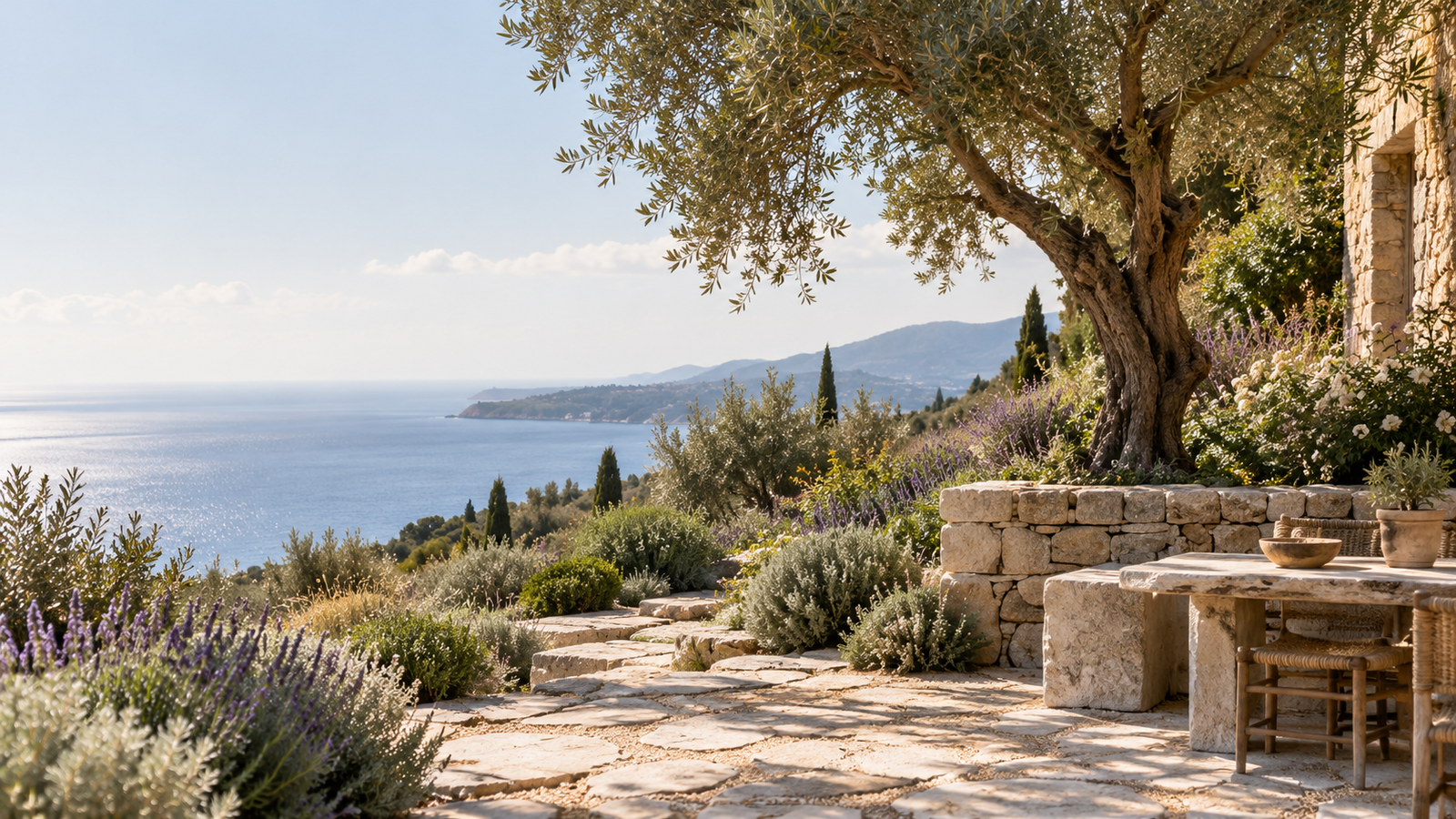
A garden is not a static composition, but a living system.

Climate
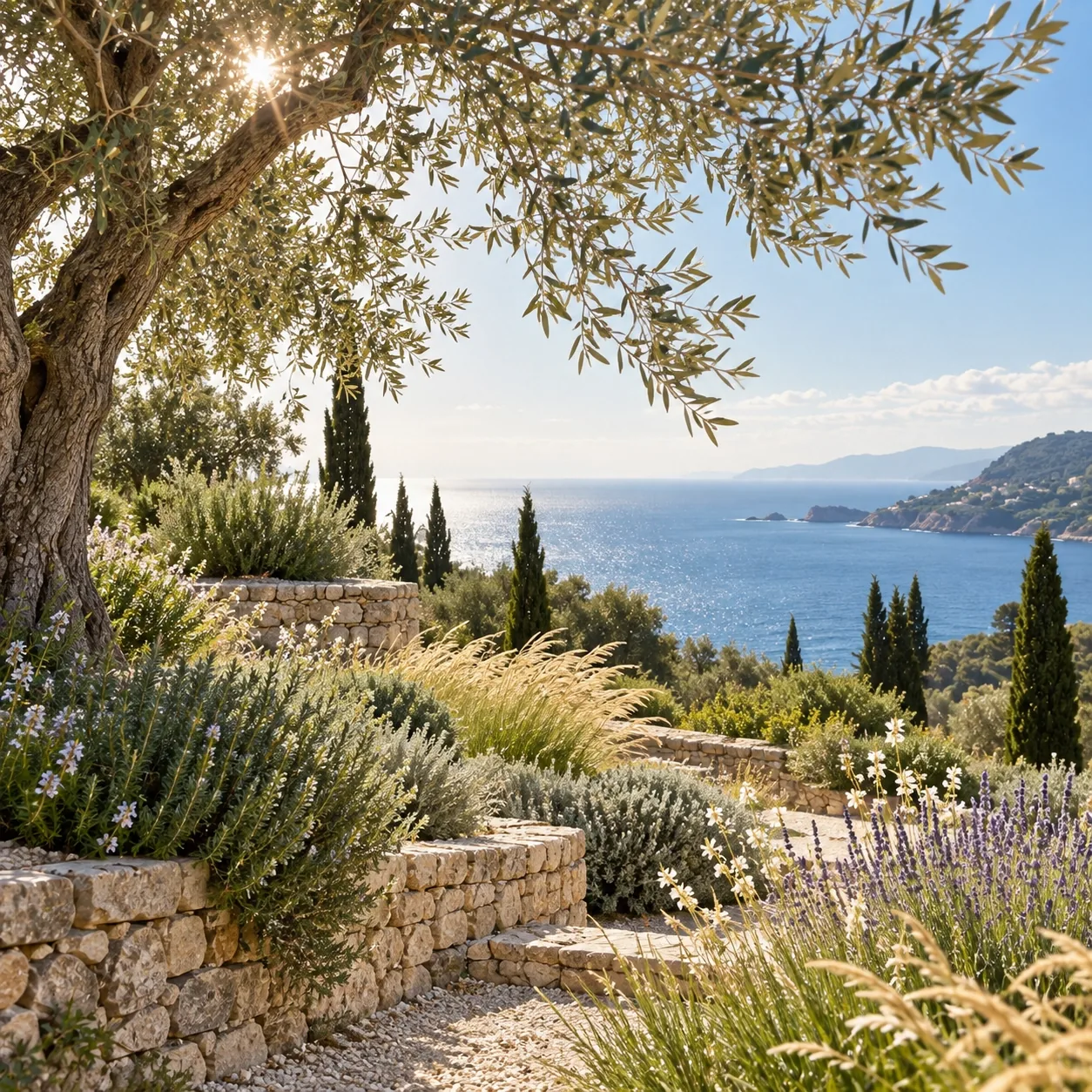
The right plant in the right place.
Design starts from the real conditions of the site: sun exposure, wind, soil, water availability and microclimate.
Plants are selected not only for their aesthetic value, but because they are genuinely suited to the place.

Comfort
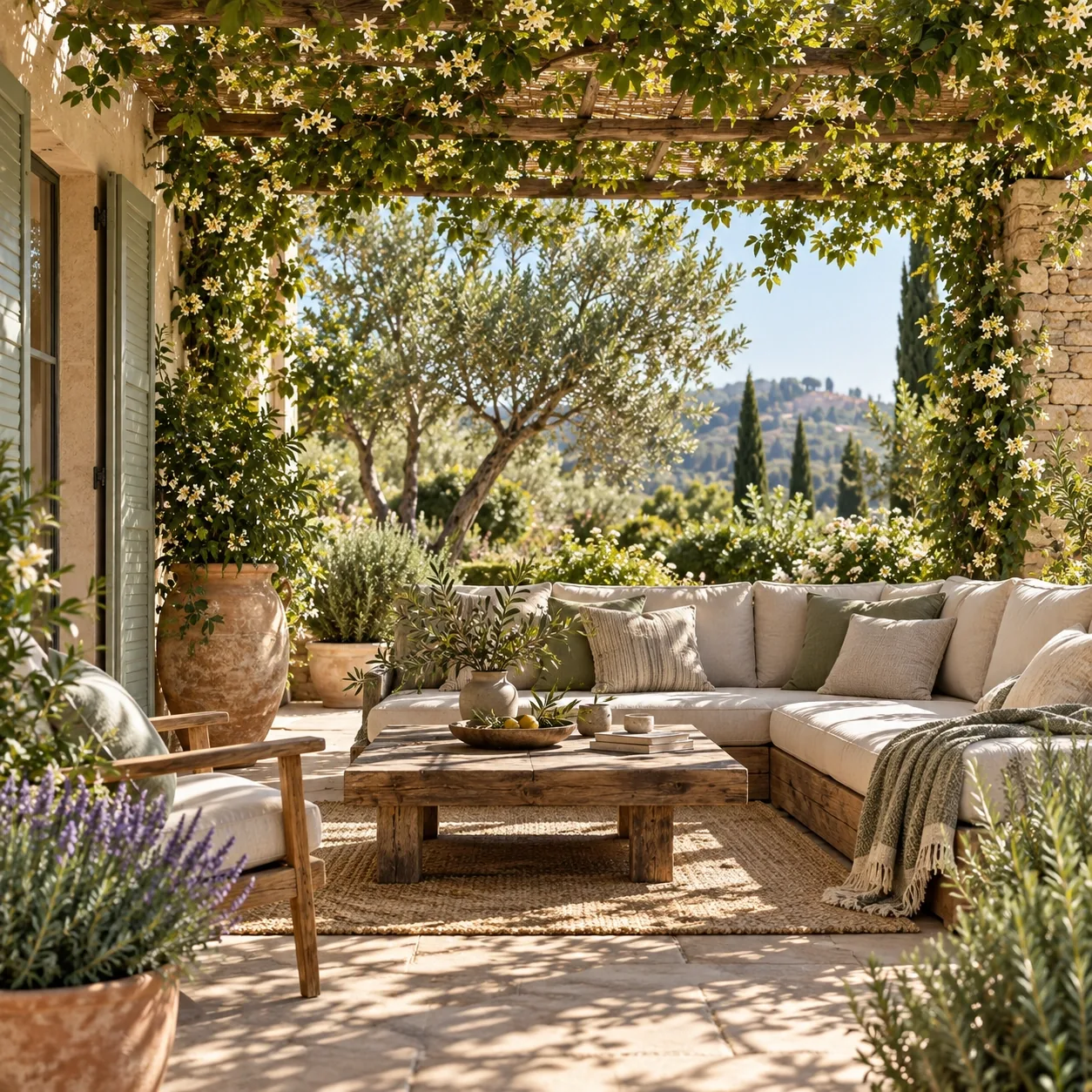
A garden should not only look good, but feel good to live in.
We consider how people actually experience the space: shade, wind, circulation, places to stay, views, privacy and physical comfort.
The design addresses both physical wellbeing — shade, temperature and wind protection — and perceptual and psychological comfort, such as privacy, a sense of shelter, openness and connection with nature.

Community
Plants are not isolated objects.
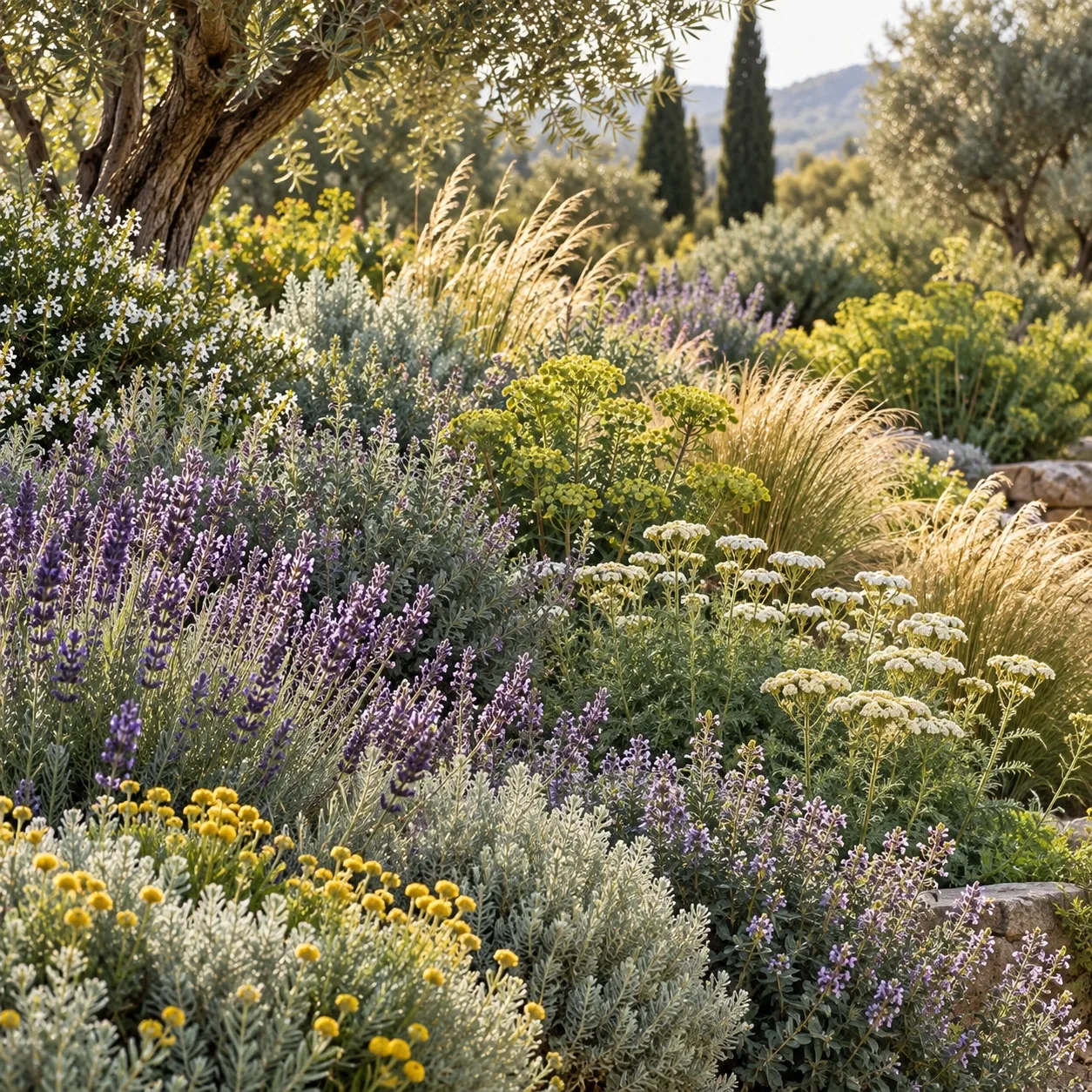
Planting design is not only about individual plants, but about the relationships between them: layering, ground cover, competition, succession, density.
Rather than selecting plants as separate elements, we build plant communities in which different species can coexist and complement one another, creating systems that are more balanced, resilient, stable and natural.

Cycle
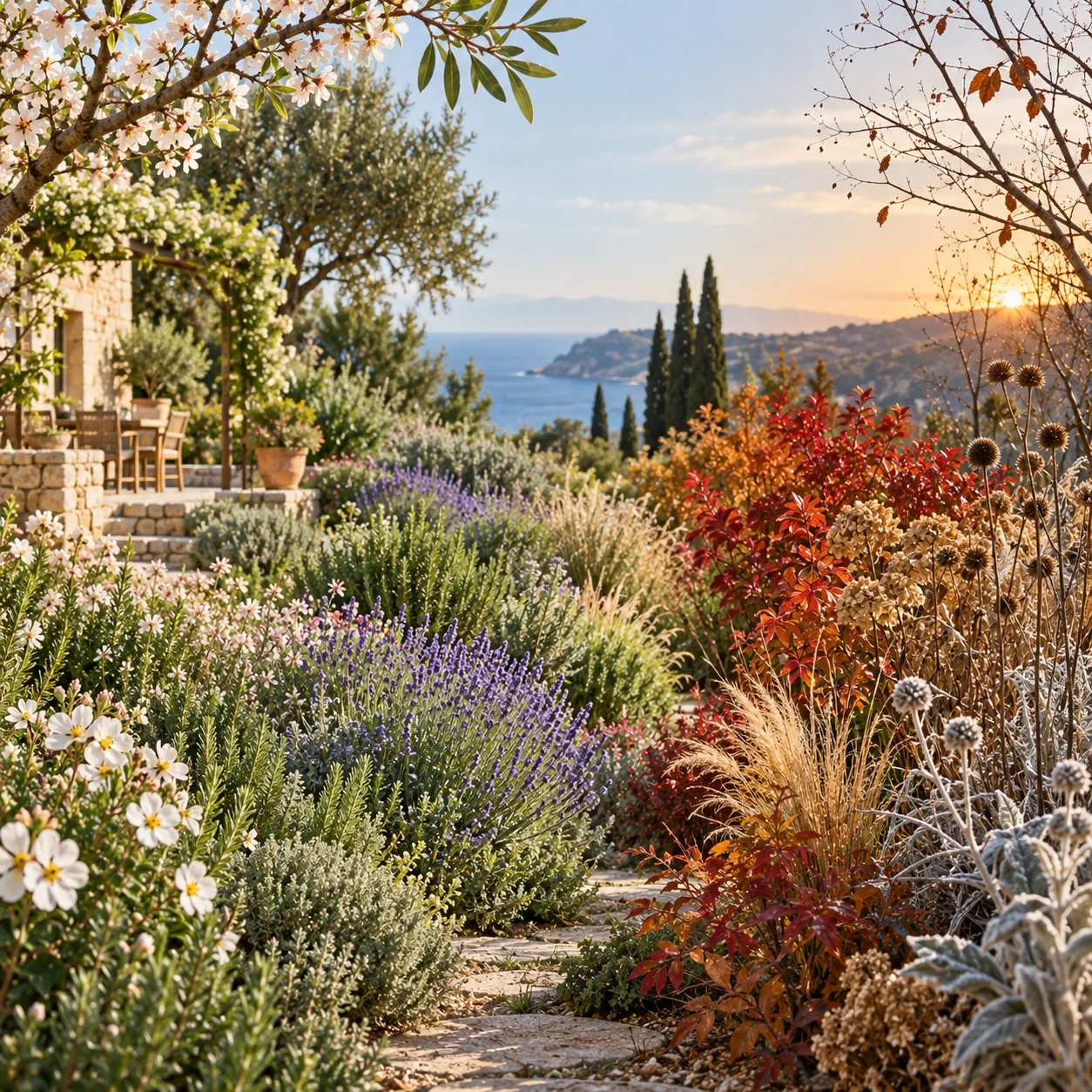
A garden is not a photograph.
The design considers two different time scales: seasonal change and long-term evolution.
Flowering, growth, dormancy, winter structure and seasonal transformation all become part of the design, shaping the identity of the garden throughout the year.

Care
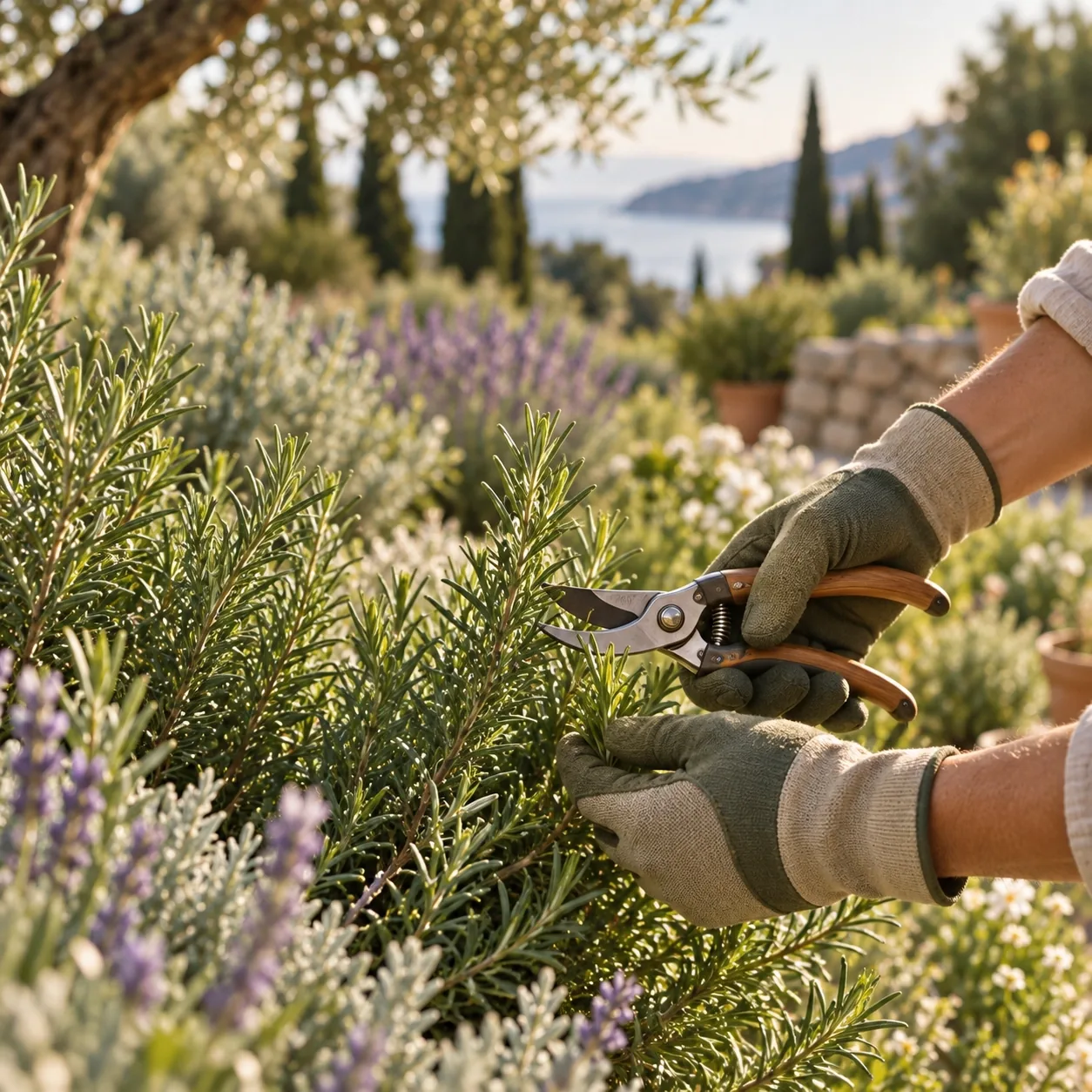
Maintenance should be designed too.
From the very beginning, we consider how the garden will be managed over time: irrigation, pruning, mowing, ongoing management, maintenance frequency and budget.
The aim is not a “maintenance-free” garden, but one in which care is conscious, sustainable and proportionate to the time and resources available.
From method to design principles
These principles are translated into real design decisions.
Climate
Develop planting strategies based on the actual climate and conditions of the site.
Benefit:
Less waste, fewer plant replacements and a more resilient garden.
Comfort
Integrate the user’s comfort and experience into the spatial layout.
Benefit:
Greater wellbeing and more time spent outdoors.
Community
Develop planting strategies based on ecological relationships between plants.
Benefit:
Greater balance, less bare soil, fewer weeds and more stable planting communities.
Cycle
Consider seasonal structure and long-term garden evolution from the beginning of the design process.
Benefit:
A garden that remains interesting throughout the year, not only when it is in flower.
Care
Choose planting systems according to the desired level of maintenance, reducing the risk of creating a garden that requires more input than expected.
Benefit:
Fewer unnecessary interventions, more predictable costs and a garden that improves over time.
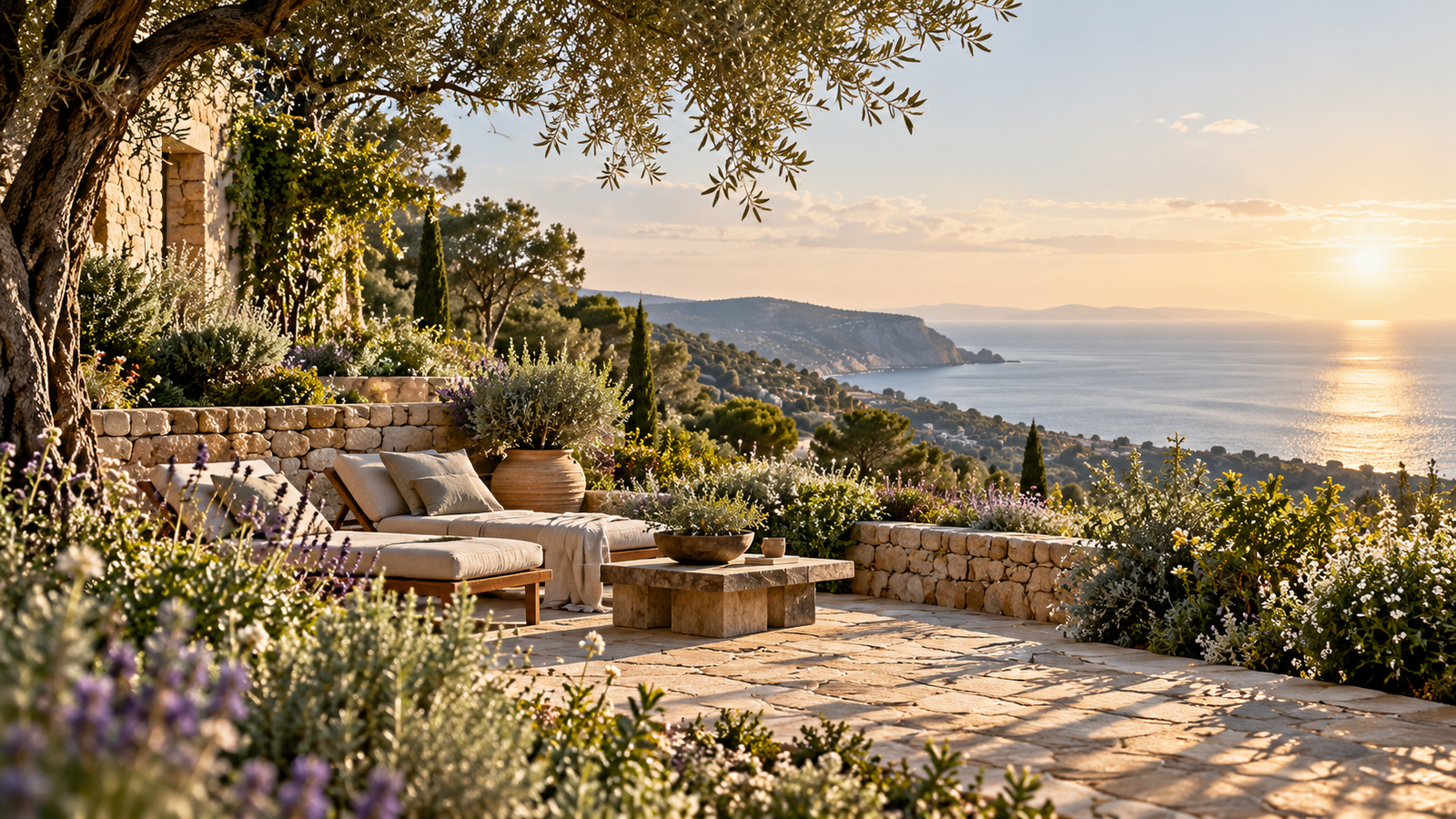
Want to see how this approach could work in your garden?
Tell us about the place, the way you live and the needs of your project.
We start from the conditions of the site to find the design direction that fits best and create a garden able to adapt to its context, accompany daily life and mature over time.